
This practical budget matching guide for machining configuration comes straight from 7 years of real workshop floor work, helping machinists and shop buyers match CNC machine specs to their actual budget without unnecessary waste.
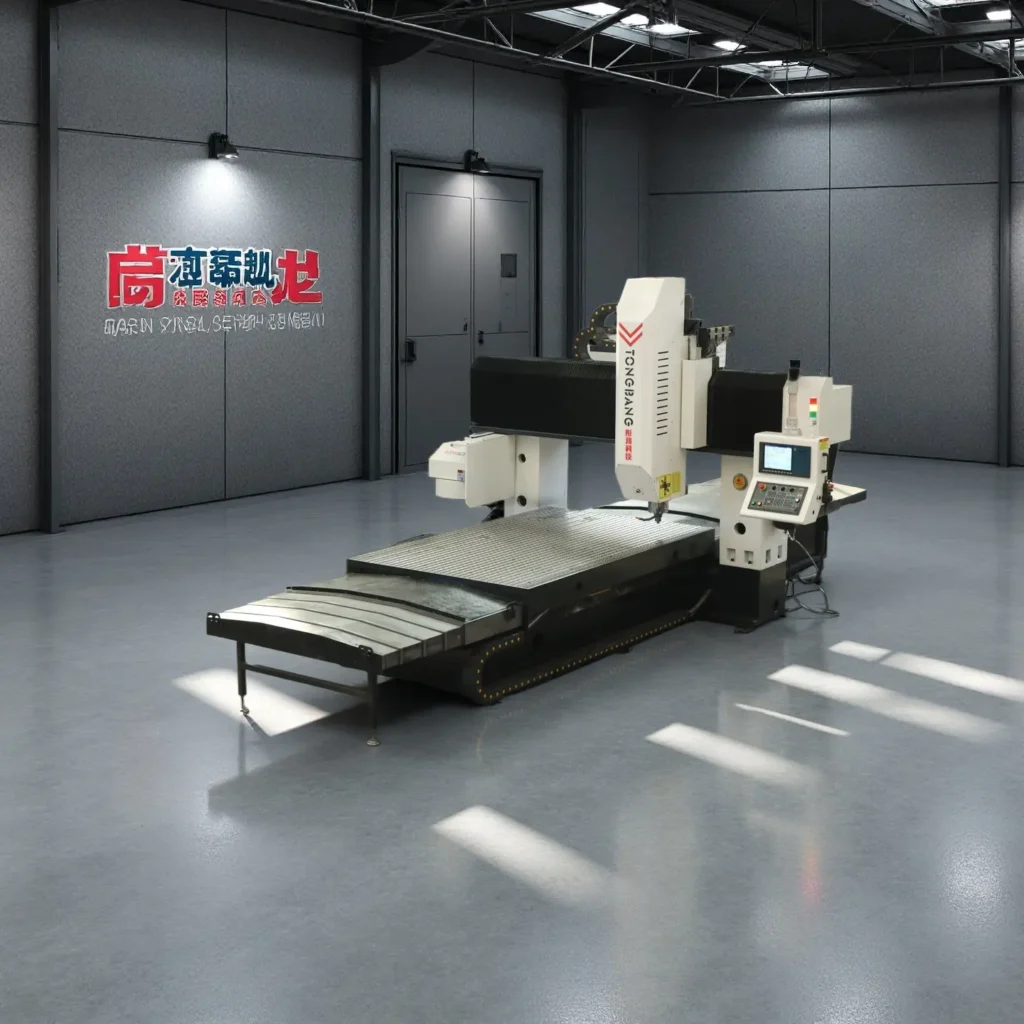
Let me cut straight to the chase. I’ve spent seven years doing on-site CNC machine configuration work, not sitting behind desks checking spreadsheets all day.
I’ve seen hundreds of workshop owners make the same costly mistakes again and again. Some splurge on top-tier machine accessories they will never use in daily production. Others go for ultra-cheap configurations to cut upfront cost, only to face constant machine breakdowns within half a year.
This budget matching guide for machining configuration is no marketing copy or empty industry theory. It is the exact workflow I use every week to help small and mid-sized machining shops pick proper CNC machine setups aligned with their real production needs and fixed budget.
1. Why Most Machining Shops Waste Roughly 30% of Their Machine Budget
There are two common budget traps that eat up your workshop profit quietly, and I’ve witnessed both cases personally.
The first trap is over-specification for basic machining jobs. Last year, I consulted a local workshop owner who mainly produced simple aluminum brackets with a loose tolerance of ±0.1mm.
But he insisted on equipping his new CNC machine with expensive ultra-precision ground ball screws and a premium ceramic spindle, spending an extra $45,000 for useless upgrades. After checking all his finished parts, none required such high-end components. He simply burned cash for no actual production improvement.
The second trap is cutting core costs blindly. A professional mold workshop once tried saving $20,000 by choosing a thin-quality machine bed and low-grade linear guideways.
Six months later, their workpiece scrap rate jumped to 15%. Each failed mold brought a $3,000 loss in raw material and labor costs. The so-called budget saving was gone in just two months, accompanied by delayed orders and unsatisfied clients.
The core rule is simple: always match your CNC machine configuration to your actual machining work, not sales pitches or peer buying choices.
2. 5 Practical Budget Matching Guide Steps I Apply Every Week
Below are five down-to-earth steps tested by countless real workshop projects. No complicated formulas, just actionable rules for all machine buyers.
- Step 1: Confirm and split your overall machining budget reasonably. Never set a random budget number without checking your cash flow and future order plans. Split your total machine procurement budget into three fixed parts: 65% for core machine components, 25% for standard auxiliary accessories, and 10% for long-term after-sales maintenance. Besides, reserve an extra 10% emergency buffer for unexpected fees like shipping damage and on-site foundation installation.
- Step 2: List your real machining demands honestly. Sit down with your senior machinist and confirm four key indicators truthfully: main processing materials, strictest workpiece tolerance, daily output requirement, and regular cutting parameters. These four points decide all your later configuration choices. Never overstate your processing needs just for better machine specs.
- Step 3: Prioritize budget allocation for three core systems. The machine bed, spindle, and transmission system determine overall machine stability and accuracy. You must put 65% of your total budget into these core parts, and never skimp on them. Check our previous detailed guide covering CNC machine bed, spindle, and transmission system selection tips.
- Step 4: Control auxiliary accessory cost strictly. Coolant systems, chip conveyors, and tool changers are necessary, but you do not need customized high-end versions blindly. Stick to standard off-the-shelf accessories. Most ordinary workshops can cut auxiliary costs greatly without hurting daily machining efficiency.
- Step 5: Verify safety compliance before placing orders. Double-check all machine configurations meet global industrial safety standards before signing purchase orders. Check the official ISO 16090 series machine tool safety standards for CNC machining equipment.
3. Three Clear Budget Tiers for Vertical Machining Centers
To help you finish budget matching faster, I sorted a straightforward configuration table covering low, medium and high budget tiers, targeting vertical machining centers which are widely adopted in most workshops.
| Budget Tier | Total Range (USD) | Spindle Type | Guideway & Ball Screw | Best Application Scenarios |
| Low Budget | ≤ $245,000 | Belt-driven spindle | Linear guideway + rolled ball screw | Aluminum & plastic roughing, soft metal processing |
| Medium Budget | $245,000 – $490,000 | Direct-coupled spindle | High-precision linear guideway + ground ball screw | Steel parts finishing, conventional mold batch production |
| High Budget | ≥ $490,000 | Built-in motor spindle | Ultra-precision roller guideway + C5 ball screw | Medical parts, aerospace components, high-precision molds |
From years of workshop experience, the medium-tier configuration is the most cost-effective pick for over 80% of small and medium machining shops. It balances precision, production efficiency, and procurement cost perfectly.
4. Three Budget Matching Mistakes You Must Avoid
Even if you follow the standard 5-step workflow, minor wrong choices will still lead to extra budget loss. Here are three most frequent mistakes I encounter every month.
First, blind upgrade of guideways and ball screws. These transmission parts account for nearly 20% of the total machine cost. Premium roller guideways sound professional, but they bring zero efficiency improvement for ordinary daily machining jobs. There is no need to pay extra for unnecessary upgrades.
Second, ignoring the long-term total ownership cost. Many buyers only focus on the one-time procurement price. Cheap machines always come with higher failure rates, expensive spare parts, and shorter service life. Always calculate the 5-year full life cycle cost instead of the initial cost only.
Third, cutting the core component budget for trivial accessories. Never save money by downgrading spindle, machine bed, or transmission systems to buy fancy control panels or decorative parts. Core components decide machine lifespan and machining stability, which cannot be compromised in any situation.
5. Final Takeaways for CNC Machine Budget Matching
This practical budget matching guide for machining configuration sticks to real workshop scenarios rather than empty theoretical data.
The core takeaway is clear: never chase the cheapest or most expensive CNC machine blindly. Match every component grade to your real workpiece tolerance, material and daily output demands.
Split your budget scientifically, prioritize core machine parts, and balance upfront procurement cost and long-term maintenance cost.
If you have customized configuration demands or a tight exclusive budget that does not fit the three tiers above, leave a comment below. Share your processing material, tolerance requirement, daily output and total budget, and I will give you a no-bias, sales-free configuration suggestion based on real floor experience.
Author Intro: I am a CNC configuration engineer with 7 years of on-site workshop experience. I have helped machining shops across North America, Europe and Southeast Asia avoid mismatched machine investments and cut unnecessary equipment costs effectively.